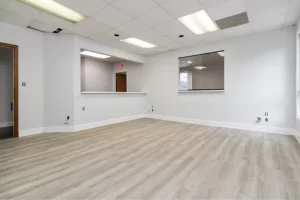

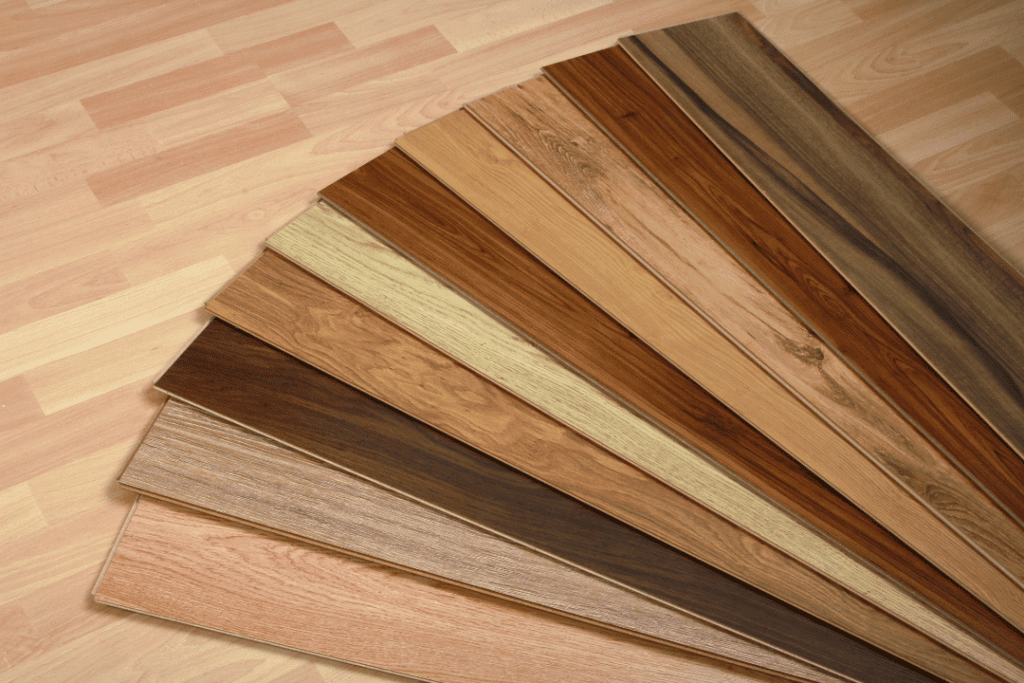
SPC flooring is the first choice for homeowners and businesses seeking durable, attractive flooring solutions that last for years. It is made of a stone-plastic composite material, offering the beauty of hardwood or tile with superior water resistance and easy maintenance. However, proper installation is important for achieving optimal results and ensuring your investment lasts.
This guide will walk you through everything you need to know about installing SPC flooring. From preparation tips to common mistakes, you’ll learn how to achieve professional-quality results that stand the test of time.
Why SPC Flooring Installation Matters
Getting your SPC flooring installation right from the start saves money and headaches later. Improper installation can cause gaps, warping, and early deterioration. Moreover, proper installation ensures your flooring warranty remains valid.
SPC vinyl flooring requires specific installation techniques that differ from those used for traditional hardwood or laminate flooring. SPC floors are designed with a rigid core, which makes it stable without expanding or contracting like natural wood does. Therefore, proper preparation and handling are crucial for achieving the best results. Many homeowners prefer to install the flooring themselves to save installation costs. Our company provides detailed tips and clear guidance on how to start and complete the process. It can be a practical and rewarding weekend project.
Step-by-Step Installation Process
Subfloor Preparation
Start by thoroughly cleaning and inspecting your subfloor. Remove all dust, debris, and adhesive residue. The surface must be completely flat, dry, and stable.
Use a level to check for high or low spots. Sand down high areas and fill low spots with a floor-leveling compound. Any imperfections will become visible through your new SPC flooring. Test moisture levels with a moisture meter. Concrete subfloors should have a moisture content of less than 5%. Wood subfloors should have a moisture content below 12%.
Planning Your Layout
Measure the room carefully and plan your layout before cutting any planks. Begin installation parallel to the longest wall for the best visual effect. Calculate the number of full planks needed per row. Avoid ending with narrow strips less than 2 inches wide. If necessary, trim the first row narrower to ensure the last row is at least 2 inches wide. Mark your starting line using a chalk line. Leave a ¼-inch expansion gap around the entire perimeter.
Installing the First Rows
Begin installation in the corner along your starting wall. Place spacers against the wall to maintain your expansion gap. Connect planks end-to-end by inserting the tongue into the groove at a slight angle, then lowering it flat. You should hear a clicking sound when they are properly connected. Complete the first row by cutting the last plank to fit with a gap. Use this cut piece to start your second row to create a staggered pattern.
Continuing Installation
Maintain at least a 6-inch stagger between joints in adjacent rows. This creates a natural, random appearance and improves structural stability. Use a rubber mallet and tapping block to secure tight connections. Never hit planks directly, as this can damage the locking mechanism. Check your work periodically with a level and measuring tape. Adjust as needed to maintain straight rows and proper spacing.
Best Practices for Different Room Types
Office Flooring Considerations
SPC flooring works excellently for office spaces. The rigid construction handles rolling chair traffic better than traditional vinyl. Choose thicker planks for high-traffic commercial areas. Install transition strips at doorways and where different flooring types meet. This prevents edge damage and creates a professional appearance.
Bathroom and Kitchen Installation
SPC flooring suppliers in the UAE often recommend their products for wet areas due to its superior water resistance. However, proper sealing around fixtures is still important. Use 100% silicone caulk around toilets, cabinets, and other permanent fixtures. This prevents water from reaching the subfloor through expansion gaps. If possible, remove the toilet and vanity before installation to make the process easier and achieve better results. Cutting around fixtures requires precise measurements and increases waste.
Common Installation Mistakes to Avoid
Insufficient Expansion Gaps
The most common mistake is leaving insufficient expansion gaps. SPC flooring requires ¼-inch gaps around all walls and permanent fixtures. Skipping this step can cause buckling and damage. Use spacers consistently throughout installation. Remove them only after installing baseboards or quarter-round molding.
Poor Subfloor Preparation
Rushing subfloor preparation leads to problems later. Small debris or uneven surfaces can cause squeaks, gaps, and premature wear. Take time to properly clean and level your subfloor. This extra effort pays off in better results and long-lasting floors.
Incorrect Cutting Techniques
Using the wrong saw blade or cutting too fast may chip the SPC planks. Use a fine-tooth blade and support both sides of the cut. Measure twice, cut once. Mistakes waste material and may disrupt your staggered pattern.
Maintenance Tips for Long-Lasting Results
Consistent upkeep helps your SPC flooring maintain its fresh look for years. Sweep or vacuum regularly to remove dirt and debris that may cause scratches. Avoid harsh chemicals or steam mops, as they can damage the protective wear layer. Place mats at entry points to prevent dirt from being tracked inside, and add furniture pads to safeguard the surface from scratches caused by moving chairs and tables.
Conclusion
SPC flooring is known for its excellent strength, visual appeal, and long-term performance. To make the most of this investment, it’s important to follow the proper installation practices recommended by experts. Taking the time to prepare and install it correctly helps ensure lasting results and prevents unnecessary repairs or replacements in the future.
If you’re considering SPC flooring solutions in the UAE, the SPC Source team is here to guide you with expert advice and professional installation based on real experience. We’ll help you select the right design for your space and handle the installation with care, so you enjoy a reliable and beautiful floor that truly lasts.
FAQs
Can I install SPC flooring over existing floors?
Yes, SPC flooring can often be installed over existing hard surfaces like tile or hardwood. However, the existing floor must be level, stable, and clean. Remove any loose materials first.
Do I need underlayment with SPC flooring?
Most SPC products have an attached underlayment. Check the manufacturer’s specifications. Additional underlayment may be required over concrete subfloors for comfort and moisture protection.
What’s the difference between SPC and other luxury vinyl flooring?
SPC flooring has a solid stone-plastic composite core, making it stronger and more stable than flexible vinyl. Its durability and dimensional stability make it a dependable choice for larger areas.