
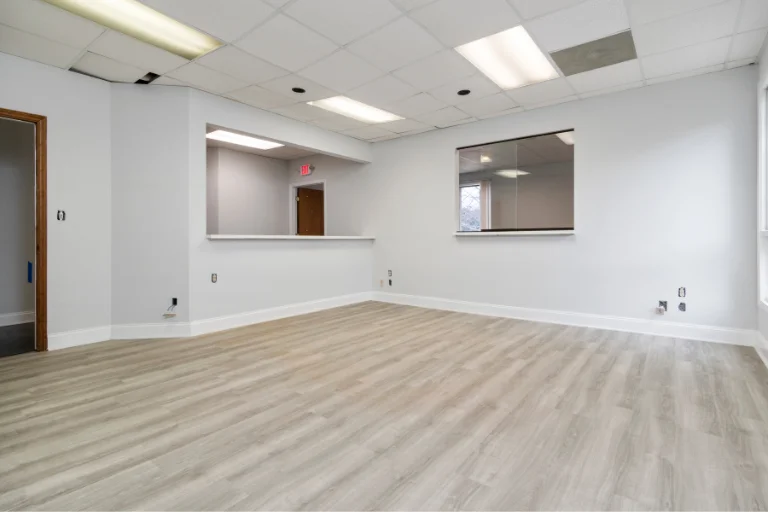
Most UAE homeowners and interior designers searching for the perfect floor eventually land on the same shortlist: hardwood, tile, or something that gives them both without the drawbacks of either. That something is LVT flooring, and it has quietly become one of the fastest-growing flooring choices across Dubai, Abu Dhabi, and Sharjah over the last few years.
At SPC Source, we have installed LVT flooring across hundreds of UAE spaces from luxury villas in Emirates Hills to boutique retail stores in Downtown Dubai and serviced apartments in Abu Dhabi. What we see consistently is that clients who choose LVT rarely look back. This guide covers everything you need to know before you buy what LVT actually is, why it performs so well in UAE conditions, how much it costs, and how to choose the right product for your specific space.
What is LVT Flooring?
LVT stands for Luxury Vinyl Tile, a premium multi-layer flooring product engineered to replicate the look and texture of natural materials like wood, stone, and concrete with remarkable accuracy. Unlike basic vinyl flooring from decades past, modern LVT flooring is a sophisticated product built from several layers that work together to deliver beauty, durability, and real-world performance.
The structure of a quality LVT floor consists of a tough wear layer on top that protects against scratches, scuffs, and heavy foot traffic; a high-definition photographic layer beneath it that replicates natural wood grain, stone texture, or concrete finishes with impressive realism; a rigid or flexible vinyl core that gives the floor its structural integrity; and a backing layer at the bottom that adds stability and comfort underfoot. The result is a floor that looks genuinely luxurious, handles everything UAE daily life throws at it, and costs significantly less than the natural materials it replicates.
It is worth noting the distinction between LVT and SPC flooring, two terms that often confuse the UAE market. SPC (Stone Plastic Composite) uses a stone-polymer core and is completely rigid and 100% waterproof, making it ideal for bathrooms and kitchens. LVT can be either flexible or rigid depending on the product, and while highly water-resistant, some LVT products have moisture limitations in fully wet areas. At SPC Source, our team helps every client understand exactly which product suits their specific space before any purchase is made.
Why LVT Flooring Has Become So Popular in the UAE
The UAE market has specific demands that most flooring types struggle to meet simultaneously. Extreme heat, air conditioning cycling, high humidity in certain areas, sandy footwear, and the aesthetic expectations of a design-conscious market create a very particular set of requirements. LVT flooring meets virtually all of them, which is why we have seen its adoption grow so rapidly across the Emirates.
The first reason UAE homeowners and contractors love LVT flooring is its exceptional durability. The wear layer, measured in millimetres, protects the surface from the kind of daily punishment UAE floors endure. Furniture being dragged, sandals carrying desert grit, children playing, and heavy commercial foot traffic are all handled confidently by a quality LVT floor. We recently completed a full fit-out of a 4,500-square-foot villa in Jumeirah using 0.55 mm wear-layer LVT planks, and the family specifically chose it because they have three young children and two dogs. Over a year later, the floor looks exactly as it did on installation day.
The second major advantage in the UAE context is LVT flooring’s performance against moisture and temperature change. The Gulf climate subjects floors to significant temperature cycling. Air conditioning running heavily indoors while outdoor temperatures exceed 45°C creates expansion and contraction stress that damages many flooring types over time. Quality LVT flooring handles this thermal cycling far better than hardwood or laminate, which is why it has become a preferred choice for UAE villas and apartments where large glass facades create dramatic indoor temperature gradients.
Comfort underfoot is another reason LVT flooring resonates strongly with UAE families. Unlike ceramic tile, which is cold, hard, and unforgiving, LVT has a natural warmth and a slight give underfoot that makes it genuinely comfortable to walk on barefoot. In a country where people remove shoes at the door and spend significant time on their floors, this matters considerably more than most flooring guides acknowledge.
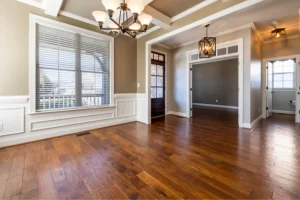
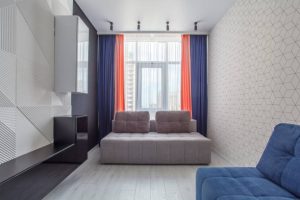
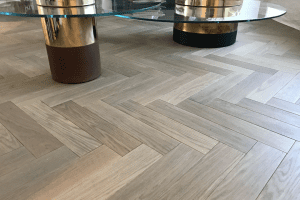
From a design perspective, today’s LVT flooring offers a range of finishes, plank widths, and textures that suit every interior aesthetic popular in the UAE market, from the wide-plank light oak finishes beloved in contemporary Dubai interiors to the dark walnut tones that complement traditional Arabic majlis setups, and the stone and concrete effects that work beautifully in minimalist commercial spaces.
LVT Flooring vs Other Popular Flooring Options in the UAE
Understanding how LVT flooring compares to the alternatives helps make the decision much clearer. Against natural hardwood, LVT wins on cost, moisture resistance, and maintenance while delivering a comparable aesthetic. Hardwood costs anywhere from AED 80 to AED 200 per square metre in the UAE, while quality LVT flooring starts from AED 25 per square metre at SPC Source. Against ceramic tile, LVT wins on comfort, warmth, installation speed, and the ability to replicate wood grain tile cannot. Against laminate, LVT wins on water resistance, making it suitable for a wider range of spaces, including kitchens and areas prone to moisture exposure. The only category where hardwood and tile genuinely outperform LVT is longevity. A well-maintained hardwood floor can last 50 years, while LVT flooring typically performs excellently for 15 to 25 years depending on the wear layer thickness and foot traffic levels.
How to Choose the Right LVT Flooring for Your UAE Space
The most important variable when choosing LVT flooring is the wear layer thickness, and it is the factor most commonly underestimated by first-time buyers in the UAE market. For light residential use in bedrooms and studies, a 0.3mm wear layer is sufficient. For living rooms, hallways, and family spaces with children and pets, we strongly recommend a minimum of 0.5mm. For commercial spaces, retail stores, hotel lobbies, offices, and restaurants a 0.55 mm to 0.7 mm wear layer is the professional standard we install at SPC Source. It makes a significant difference in long-term performance.
The thickness of the overall plank is the second key consideration. Thicker LVT planks 5mm and above feel more substantial underfoot, provide better sound insulation between floors, and handle minor subfloor imperfections more forgivingly. In UAE apartment buildings where concrete subfloors can be uneven, thicker LVT significantly reduces the need for subfloor preparation work, which saves time and cost during installation.
The choice between click-lock and glue-down LVT flooring is the third decision point. Click-lock LVT is faster to install, easier to replace individual planks if damaged, and is the format we recommend for most residential projects. Glue-down LVT creates a more permanent, dimensionally stable installation and is generally preferred for large commercial spaces and areas with heavy rolling loads like office chair wheels. Our team assesses every space individually and recommends the right format based on subfloor condition, space size, and intended use.
LVT Flooring Applications Across UAE Spaces
The versatility of LVT flooring is one of its most compelling qualities for the UAE market. In residential settings, it performs beautifully in living rooms, bedrooms, children’s rooms, home offices, and kitchens. For villas with open-plan ground floors, an extremely common layout in UAE residential design. LVT delivers a seamless, continuous look across a large area that tile and hardwood struggle to match for the same budget. In commercial settings, we install LVT flooring in retail stores, hotel rooms and corridors, restaurant dining areas, office fit-outs, and serviced apartments. The combination of durability, ease of maintenance, and aesthetic quality makes it the professional standard for UAE commercial interiors.
LVT Flooring Installation: What to Expect from SPC Source
Our installation process at SPC Source begins with a free site visit and consultation. Our team visits your space, assesses the existing subfloor, takes precise measurements, and recommends the right LVT product based on your space, lifestyle, and budget. We recently worked with a property developer in Business Bay, fitting out 24 apartments simultaneously, and the planning stage we invested in upfront is what allowed us to complete the full project on schedule without a single remedial call-back. Accurate measurement means zero material waste and no surprise costs. Our installation team then prepares the subfloor properly, a step many cheaper operators skip, and the primary cause of LVT flooring failures we are called in to fix.
Proper installation typically takes one to two days for an average UAE apartment and three to five days for a large villa, depending on complexity. We close every project with a full walkthrough inspection and provide written aftercare guidance so your LVT floor performs at its best for years to come.
How to Care for LVT Flooring in the UAE
One of the most practical advantages of LVT flooring for UAE homeowners is how straightforward maintenance is compared to hardwood or natural stone. Sweep or vacuum regularly to remove the fine grit and sand that UAE homes accumulate quickly. This is the single most important maintenance habit because grit acts like sandpaper on any floor surface over time. Wipe spills immediately with a clean cloth and damp-mop with a vinyl-compatible cleaner when needed, avoiding excessive water or steam mops, which can affect adhesion in glue-down installations over time. Place felt pads under furniture legs and use a doormat at every entry point, especially important in UAE homes where footwear carries significant quantities of desert sand. Avoid harsh chemical cleaners, bleach, and solvent-based products, which degrade the wear layer. With these simple habits, a quality LVT floor from SPC Source will look as good in year ten as it did on day one.
FAQS
Is LVT flooring suitable for UAE humidity and heat?
Yes. Quality LVT flooring handles Gulf humidity and temperature cycling far better than hardwood or laminate. At SPC Source, we specifically stock moisture-resistant LVT products selected for UAE climate conditions, starting from AED 25 per square metre.
Can LVT flooring be installed over existing tiles in UAE apartments?
In most cases, yes. LVT can be laid directly over existing ceramic or porcelain tile provided the surface is flat, clean, and structurally sound. Our team assesses this during the free site visit before any commitment is made.
How long does LVT flooring last in UAE conditions?
With proper care, quality LVT flooring performs excellently for 15 to 25 years in UAE residential and commercial spaces. Lifespan depends on wear layer thickness and foot traffic levels. Our team recommends the right specification for your space during consultation.